
Cannabis Cultivation and Dispensary Operator

Cannabis Cultivation and Dispensary Operator a vertically integrated cannabis business engaged in the cultivation, processing and retail distribution of cannabis products for medical or regulated adult-use markets. Combining agricultural expertise, compliance management and consumer retail operations, these operators support product quality, supply chain control and regulated access within the evolving cannabis industry.

Berkshire Roots: Cultivating Craft Cannabis with Integrity and Innovation
Berkshire Roots
Cultivating Craft Cannabis with Integrity and Innovation
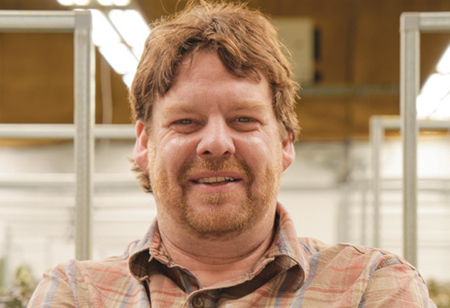
Kristopher Foley, CEO
Berkshire Roots, a Massachusetts-based cannabis operator, has firmly established itself as a pioneering force in both the medical and recreational cannabis markets.

Compliance Architecture for Cannabis Cultivators and Dispensary Operators

The cannabis industry is transitioning from fragmented, small-scale cultivation into a regulated, capital-intensive, and professionally managed sector. As legalization expands across medical, wellness, and adult-use markets, cannabis operators face growing expectations related to compliance, operational efficiency, product consistency, and environmental responsibility. In this growing landscape, cannabis design and engineering-assist services have become essential, supporting operators in translating regulatory requirements and biological complexity into efficient, future-ready infrastructure.

Immunology: From Pioneering Discoveries to Opportunities
Sanofi
Immunology: From Pioneering Discoveries to Opportunities
Asif H. Khan, MD, PhD, MPH, Global Senior Medical Director, Immunology

Immunology originates from the Latin word ‘immunis’, meaning 'exempt' signifying that a person contracting an infection develops protection from the same infection a second time (and is thus immune). The history of immunology dates back over 2000 years, and it was between 2000 and 1000 BC that there was possible smallpox in Egyptian mummies, including Ramses V, who died in 1157 BC. In 430 BC, the Greek historian Thucydides proposed that people who contracted and recovered from plagues - were protected from future infections, thus laying the groundwork for immunology.

Cannabis Cultivation and Dispensary Operator FAQ

Q1
What Do Top Cannabis Cultivation and Dispensary Operators Manage Across the Cannabis Supply Chain?
Cannabis cultivation and dispensary operators oversee the growing, processing and retail distribution of regulated cannabis products. That work can include indoor cultivation facilities, greenhouse production, extraction operations, product packaging and licensed dispensary management. Top Cannabis Cultivation and Dispensary Operators also manage compliance tracking, inventory controls and product testing requirements that differ across regulated markets. Retail operations add another layer of complexity. Dispensaries must balance product availability, customer education and state purchasing limits while maintaining strict verification and reporting procedures. Many cannabis operators coordinate cultivation schedules with retail demand forecasts to reduce shortages, aging inventory and product waste.
Q2
What Services and Product Categories Are Typically Offered by Cannabis Cultivation and Dispensary Operators?
Most cannabis operators provide a mix of flower products, pre-rolls, concentrates, edibles, tinctures and wellness-oriented cannabis items. Top Cannabis Cultivation and Dispensary Operators may also operate vertically integrated systems where cultivation, manufacturing and retail sales remain under one ownership structure. That model can improve supply consistency and product traceability. Dispensary services often include patient consultations in medical markets, product education and guidance around dosage formats or cannabinoid profiles. Cultivation facilities focus heavily on environmental controls, genetics management, pest prevention and post-harvest handling. Cannabis cultivation companies must also maintain testing compliance for potency, contaminants and labeling accuracy before products reach retail shelves.
Q3
Why Is Demand Increasing for Cannabis Cultivation and Dispensary Operators?
Legal cannabis markets continue expanding as more jurisdictions establish medical or adult-use frameworks. Demand for licensed retail access has increased alongside broader consumer familiarity with cannabis wellness products, alternative dosage formats and regulated purchasing channels. Top Cannabis Cultivation and Dispensary Operators are also benefiting from growing interest in product transparency, tested ingredients and professionally managed retail environments. Product diversification is influencing cultivation strategies as well. Consumers now expect strain variety, terpene-specific selections and non-smokable formats such as beverages or gummies. That shift has increased demand for operators capable of managing both cultivation quality and retail consistency across multiple product categories.
Q4
How Are Top Cannabis Cultivation and Dispensary Operators Evaluated?
Regulatory compliance remains one of the most important evaluation factors in this category. Top Cannabis Cultivation and Dispensary Operators must maintain accurate inventory reporting, testing documentation and security controls while navigating changing cannabis regulations. Buyers, investors and consumers often examine consistency, product availability and retail experience closely. Cultivation quality also matters. Poor environmental management can affect potency, flavor profiles and shelf stability. Dispensary operators are frequently assessed on staff knowledge, product sourcing and customer guidance, especially in medical cannabis settings where patients may rely on dispensary teams for product education and usage clarity.
Q5
How Do Cannabis Cultivation and Dispensary Operators Influence Product Quality and Consumer Trust?
Cultivation methods directly affect product consistency, cannabinoid expression and contamination risk. Top Cannabis Cultivation and Dispensary Operators typically invest in environmental monitoring, controlled drying conditions and standardized post-harvest handling to maintain stable product quality across harvest cycles. Retail trust develops through transparency and reliability. Clear labeling, verified lab testing and informed dispensary staff can help consumers make safer purchasing decisions. Cannabis dispensary operators also influence access by managing inventory across different potency levels, dosage formats and price ranges. In competitive retail markets, product freshness and knowledgeable customer support often shape long-term customer loyalty more than branding alone.
Q6
What Role Do Technology and Innovation Play in Cannabis Cultivation and Dispensary Operations?
Cannabis cultivation has become increasingly data-driven. Top Cannabis Cultivation and Dispensary Operators use climate-control systems, automated irrigation platforms and cultivation analytics to monitor lighting, humidity and nutrient delivery throughout plant growth cycles. These systems help reduce crop variability and improve production forecasting. Retail technology is evolving as well. Many dispensaries use digital menus, customer relationship systems and inventory-tracking software linked to state compliance platforms. Innovation is also influencing cultivation efficiency through water-reduction systems, energy management tools and genetic research focused on cannabinoid consistency. In mature cannabis markets, technology investments often determine whether operators can scale production without sacrificing product quality or compliance performance.