
Cannabis Cultivator

Cannabis Cultivator the cultivation and harvesting of cannabis plants for medical or regulated adult-use markets. Combining horticultural expertise, controlled-environment agriculture and compliance management, cultivators support consistent product quality, cannabinoid optimization and scalable production while operating within evolving cannabis industry regulations.

Ruby Farms: Turning Farm Discipline into Cannabis Market Leadership
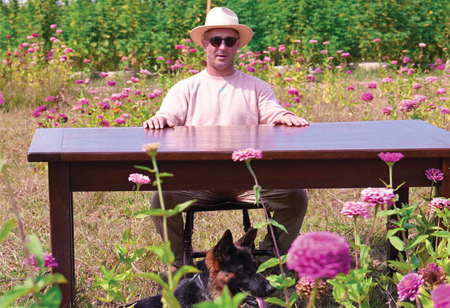
Ruby Farms
Turning Farm Discipline into Cannabis Market Leadership
Rustin Kluge, Founder
Ruby Farms has emerged as one of New York’s leading cannabis cultivators. The company operates first and foremost as a working farm, integrating cannabis alongside other crops within a broader agricultural system. Currently, it distributes to hundreds of dispensaries across the state and ranks as New York’s number-one selling pre-roll brand.

Cannabis Cultivators: Scaling Controlled Agriculture in a Highly Regulated and Quality-Driven Market

Cannabis cultivators are transitioning from fragmented, cultivation-focused operations into disciplined agricultural enterprises that prioritize consistency, compliance, and product differentiation. What began as a supply-driven market has matured into a competitive landscape where quality, efficiency, and brand alignment determine long-term viability. For CEOs and business leaders, cultivation is no longer just about growing plants; it is about managing a controlled production system that delivers predictable outcomes while adapting to evolving regulatory and consumer expectations.

Cultivator of the Year: The New Benchmark for Cannabis Cultivation Excellence

Executives responsible for sourcing cannabis cultivation partners operate in a market defined by scrutiny, volatility and rising consumer expectations. Mature legal markets such as New York have intensified pressure on cultivators to deliver consistent flower quality while maintaining economic viability. Buyers must navigate a crowded field where branding often eclipses agricultural discipline, making it increasingly difficult to identify producers capable of sustaining premium standards at scale. Cultivation leadership today rests less on marketing narratives and more on the depth of agronomic knowledge, genetic stewardship and post-harvest precision embedded within a grower’s operation.

Technology - Agriculture's Most Powerful Tool
B&W Quality Growers
Technology - Agriculture's Most Powerful Tool
Cesar Rosero, Vice President of Production

Everything has a number. From how crops are grown, to optimal harvest cycles, packaging, and transportation, to emissions and knowing how to offset them, there is a measurement in all facets of agriculture. That data is essential for adaptation and improvement, and embracing technology can speed up that process.

Cannabis Cultivator Info

Q1
What Do Top Cannabis Cultivators Produce for the Regulated Cannabis Market?
Cannabis cultivators grow and manage cannabis plants intended for medical or adult-use products sold through licensed retail and manufacturing channels. Top Cannabis Cultivators oversee every stage of plant production, including propagation, environmental control, harvesting, drying and post-harvest handling. Cultivation environments vary widely depending on production goals and regional regulations. Some cannabis cultivation companies operate indoor facilities built around climate precision and year-round harvest consistency, while others use greenhouse or outdoor production to reduce energy costs and increase scale. Product quality depends heavily on cultivation discipline because lighting, humidity, irrigation and nutrient balance directly affect cannabinoid expression and terpene development.
Q2
What Cultivation Methods and Services Are Common in Cannabis Cultivation?
Cannabis cultivation includes much more than growing plants from seed. Top Cannabis Cultivators often manage cloning programs, genetic selection, integrated pest management and post-harvest curing processes designed to maintain product consistency across harvest cycles. Indoor cultivation facilities frequently rely on automated lighting systems, irrigation controls and environmental monitoring to stabilize growing conditions. Greenhouse operations may combine natural sunlight with supplemental climate systems to balance production costs and crop quality. Cannabis cultivation companies also coordinate trimming, drying, testing and packaging workflows before products move into distribution or retail channels.
Q3
Why Is Demand Growing for Cannabis Cultivators?
Expansion of regulated cannabis markets continues to increase demand for reliable cultivation capacity. Top Cannabis Cultivators are responding to rising consumer expectations around product consistency, terpene quality and strain variety across both medical and adult-use categories. The market has also shifted toward more specialized cultivation outputs. Consumers increasingly look for high-terpene flower, cannabinoid-specific cultivars and products designed for extraction or infused manufacturing. Cultivators must adapt to changing demand patterns while managing production costs, energy usage and crop health risks that can affect harvest yields and retail supply stability.
Q4
How Are Top Cannabis Cultivators Evaluated by Retailers and Consumers?
Consistency remains one of the most important evaluation factors in commercial cannabis cultivation. Top Cannabis Cultivators are often assessed on cannabinoid accuracy, terpene retention, visual quality and harvest reliability across multiple production cycles. Retail buyers also examine moisture control, trimming quality and post-harvest handling because those factors directly influence shelf performance and consumer experience. Cultivators with unstable environmental management may face mold outbreaks, inconsistent potency or crop loss. In competitive cannabis markets, product freshness and cultivation discipline frequently matter more than strain branding alone.
Q5
How Do Cannabis Cultivators Influence Product Quality and Supply Stability?
Cultivation conditions determine much of the final product experience. Top Cannabis Cultivators manage environmental variables carefully because temperature swings, nutrient imbalances or poor drying practices can affect flavor, potency and shelf life. Supply reliability is equally important. Dispensaries and manufacturers depend on cultivators to maintain steady harvest schedules and predictable inventory volumes. Delayed harvests or inconsistent crop yields can disrupt extraction workflows, retail availability and wholesale pricing. Cannabis cultivation companies that maintain stable production systems are generally better positioned to support long-term retail and manufacturing partnerships.
Q6
What Role Do Technology and Research Play in Cannabis Cultivation?
Modern cannabis cultivation relies heavily on environmental monitoring and production analytics. Top Cannabis Cultivators increasingly use sensor-based climate systems, automated fertigation controls and cultivation software to monitor plant health and resource consumption throughout growth cycles. Research into genetics, lighting efficiency and disease prevention is also shaping commercial cultivation strategies. Some cannabis cultivation operators use tissue culture programs and laboratory testing to preserve stable genetics and reduce pathogen exposure. Energy management technology has become another major focus because indoor cannabis production carries significant electricity and climate-control costs. In large-scale cultivation environments, technology often determines whether operators can maintain consistent quality while controlling production expenses.