
Thank you for Subscribing to Cannabis Business Insights Weekly Brief

From Investigating Drug Shortages to Preventing Them: A Quality Leader's Journey
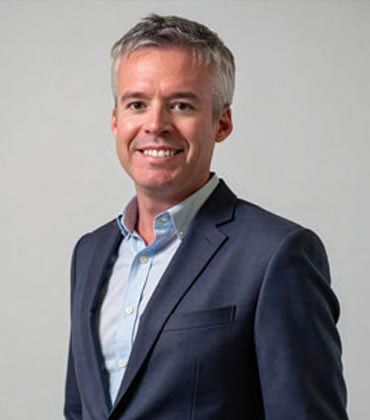
My journey in the pharmaceutical world didn't start in a boardroom or a state-of-the-art manufacturing facility. It began on the front lines of healthcare over twenty years ago as a U.S. Public Health Service (USPHS) Commissioned Corps officer, spending six years as a clinical pharmacist in Native American and tribal health facilities through the Indian Health Service in rural America, where I learned firsthand what medication access means to vulnerable populations.
Back then, the pharmaceutical landscape looked very different. There were more manufacturers, fewer drugs, and critically, fewer points of failure in supply chains. Sole supplier issues were rare. I continued my service as a USPHS officer throughout my 17 years with the Food and Drug Administration: eight years as an investigator in the Office of Inspections and Investigations (OII), conducting inspections globally, and nine years performing high-level case assessments in the Office of Manufacturing Quality (OMQ). Now, as the Vice President of Corporate Quality Assurance at Biocon Biologics, that unique combination of clinical service, regulatory expertise, and industry leadership shapes every decision I make.
When the Vulnerabilities Became Impossible to Ignore
Throughout my FDA career, both in the field and at the center, I witnessed how fragile our pharmaceutical supply chains had become. During my time in OII, I saw firsthand how the heparin crisis demonstrated that quality issues in one part of the world could instantly impact patients everywhere. The logistics of global supply chains meant that a contamination problem overseas could leave cardiac patients in the United States without access to life-saving anticoagulation therapy.
Later, during my years in OMQ, I was deeply involved in evaluating manufacturing options during the cisplatin shortage, working in tandem with the drug shortage team to find alternative sources for cancer patients who desperately needed this chemotherapy drug. These weren't niche medications; they were traditional necessity drugs that should have had robust, redundant supply chains.
The Most Critical Observation Manufacturers Overlook
During my years as an FDA investigator, I saw a recurring and dangerous pattern. The most common root cause cited by manufacturers for a deviation was almost always "user error" or "inadequate training." While sometimes true on the surface, this explanation was often a convenient way to close an investigation without addressing a much deeper, more systemic failure.
“My advice to quality leaders is simple: treat every deviation as if it will reach a patient, because it will.”
A repeated "training issue" on a production line wasn't a personnel problem; it was a sign of a flawed process, inadequate cleaning protocols that led to contamination, or poorly designed equipment. The complaints would eventually become overwhelming, often triggered by tangible defects like broken tablets or visible particulates in injectable products. By the time the volume of complaints forced action, the damage was already done, and countless patients had been exposed to risk.
This taught me that a robust investigation into production records and deviations, as required by 21 CFR 211.192, is not about paperwork. It is the single most critical defense against widespread patient harm. In today's consolidated supply chain environment, where a single facility's failure can trigger a national shortage, this regulation has never been more important.
From Investigating Shortages to Preventing Them
Now I find myself on the other side of that equation. Today, at Biocon Biologics, we are entrusted with supplying essential medicines to patients around the world, including insulin and other products critical to preventing global shortages. My FDA experience shaped how I think about quality, supply continuity, and patient impact, and those principles guide our work every day. The responsibility is significant, and it reinforces our commitment to ensuring patients can rely on the medicines we provide.
Bridging the Knowledge Gap in a Digital, Global Workforce
That commitment requires more than traditional approaches. In previous generations, legacy employees held the institutional knowledge of historical issues encountered at a company. In today's global, often remote, and nomadic workforce, tribal knowledge is disappearing. This makes highly detailed and accurate deviation reports not just a regulatory requirement, but the essential backbone of a company's proprietary chain of knowledge. This data is the fuel for the future of quality management: artificial intelligence.
Artificial intelligence will play a critical role in the future of quality management. Technologies like Retrieval-Augmented Generation (RAG) can provide teams with real-time access to institutional knowledge, bridging the gap between experienced professionals and newer team members. I believe that thoughtfully deployed AI tools can empower quality professionals at every level, allowing companies to leverage expertise from across the globe more efficiently while delivering knowledge in formats that resonate with today's workforce.
The key is treating quality data as a strategic asset that, when combined with AI capabilities, can help prevent the mistakes of the past from being repeated. In an era where we can no longer rely on multiple manufacturers to provide backup supply, getting quality right the first time is not optional.
Getting It Right the First Time
My advice to quality leaders is simple: treat every deviation as if it will reach a patient, because it will. Invest in investigation systems and uncover true root causes. Build a quality culture that connects every employee's work, from the factory floor to the documentation specialist, directly to the patient's well-being.
The articles from these contributors are based on their personal expertise and viewpoints, and do not necessarily reflect the opinions of their employers or affiliated organizations.
