
Thank you for Subscribing to Cannabis Business Insights Weekly Brief

CAMP Cannabis
Jennifer McGuire, RN, MSN, Chief Executive Officer and Co-Founder
More than Milligrams: What the Cannabis Industry Still Gets Wrong About Patient Care
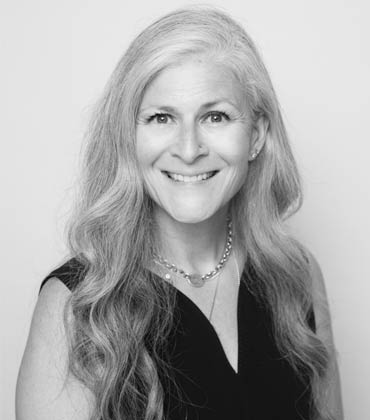
Jennifer McGuire
The Responsibility behind Medical Cannabis Guidance
I had the good fortune to teach Pharmacology of Cannabis at Saint Louis University in 2020, in the Cannabis Science and Operations Program. Speaking with those students each week was a privilege, and watching their knowledge expand in real time was genuinely inspiring.
During one assignment, students were given a scenario and asked how they would respond. The prompt placed them as a dispensary employee approached by a canna-curious elderly patient seeking relief from chronic pain, someone who didn’t want to smoke and wasn’t sure where to start. One student’s answer stopped me cold. They said they would recommend a 30 mg gummy and hand the patient a business card to call if problems arose. This isn’t the type of person we need in dispensaries.
That moment has stayed with me. Not because the student was malicious; they weren’t. They were enthusiastic, well-intentioned and completely out of their depth in a way no one had warned them about. Good intentions without clinical grounding can cause real harm when the product on the shelf is medicine. Thirty milligrams of THC is not a starting dose for a cannabis-naïve elderly patient managing chronic pain. For someone with unknown tolerance, possible polypharmacy, and an endocannabinoid system that may respond very differently than a younger adult’s, that dose could trigger severe anxiety, disorientation, a dangerous fall, or an emergency room visit. It could end their willingness to try cannabis again, entirely.
The Industry Obsession with Potency Is Getting in the Way
Walk into most dispensaries today, and the conversation centers on one number: THC percentage. Higher is presented as better. Stronger is sold as more effective. It’s a framework borrowed from alcohol culture and applied to medicine, and it fundamentally misunderstands how cannabis works in the human body.
Cannabis is a whole plant. Its therapeutic effects come not from THC alone, but from the complex interplay of cannabinoids, terpenes, and flavonoids, which researchers call the entourage effect. A product with 15 percent THC and a rich terpene profile may deliver far better relief than a 30 percent THC isolate stripped of everything else that makes the plant medicinally interesting. Terpenes like myrcene contribute sedative and analgesic properties. Linalool has well-documented anxiolytic effects. Beta-caryophyllene is the only terpene known to directly activate CB2 receptors, making it uniquely relevant for inflammation. Flavonoids such as cannflavins have shown anti-inflammatory properties in research settings. These aren’t fringe concepts; they are the pharmacology of the plant, and the industry has largely ignored them in the race to breed higher THC percentages.
Patients do not need the strongest product. They need the right product. Knowing the difference requires clinical training that most people making those recommendations simply do not have.
Who is Running the Industry and Who is Missing
When I co-founded CAMP Cannabis in Missouri in November 2018, part of the only female-founded group to receive licenses in the state, I brought something unusual to the operator table: a clinical lens. It was that hands-on experience running a medical cannabis operation that later led me to the classroom, teaching cannabis pharmacology at Saint Louis University. In both roles, I understood what most peers in the industry lacked: that the person walking through the dispensary door is frequently a patient first and a consumer second.
The cannabis industry has largely been built by two groups: people from cannabis culture who know and love the plant deeply, and people from the financial world who recognized a historic opportunity. Both contributed something real. The culture brought authenticity, product knowledge, and community. Finance brought capital, operational discipline, and scale. What neither brought, in most cases, was clinical training, and in a medical cannabis program, that absence has consequences for patients every single day.
Clinicians are trained to consider drug interactions, contraindications, individual variability, titration, and the difference between symptom management and patient wellbeing. We ask about other medications before recommending anything. We start low and go slow. We follow up. These are not extras in a medical context; they are the baseline.
Rescheduling Changes Everything, If We Let It
The rescheduling of cannabis from Schedule I to Schedule III is not just a regulatory adjustment. It signals that the federal government is beginning to recognize cannabis as having accepted medical use and meaningful research behind it.
Schedule III status will invite greater scrutiny, more clinical research, and deeper integration with the formal healthcare system. Physicians will be more willing to discuss cannabis. Pharmacists will need to understand drug interactions. Healthcare providers who have kept their distance will be pulled into the conversation, whether they are ready or not.
The industry needs to get ahead of this by actively recruiting nurses, pharmacists, physicians, and physician assistants, not as paper medical directors, but as genuine operational and educational voices. It means training staff the way we train healthcare workers and building dispensary protocols that look less like retail and more like patient care. The student who recommended a 30 mg gummy wasn’t a bad person. They were someone never given the tools to think clinically. The industry created that gap, and the industry can close it.
Patients do not need the strongest product. They need the right product. Knowing the difference requires clinical training that most people making those recommendations simply do not have.
The North Star Has to Be the Patient
I believe in this plant. I have seen what it can do for people living with chronic pain, anxiety, sleep disorders, and conditions that conventional medicine has not adequately addressed. But that potential is only realized when the person guiding a patient understands what “right” actually means: starting low, asking questions, recognizing that a terpene-rich, moderately-dosed product may outperform the highest-THC flower on the shelf, and treating the person in front of you as a patient, not a sales opportunity.
The cannabis industry is at an inflection point. The question is whether the people building it will choose to lead that evolution or be dragged into it after the damage is done. We have an opportunity right now to build something that actually centers the patient. The plant deserves that. The patients deserve that, and frankly, so does the industry.
The articles from these contributors are based on their personal expertise and viewpoints, and do not necessarily reflect the opinions of their employers or affiliated organizations.
